Pharmaceutical
"In Pharma, even one pest is too many."
Pest Hub is here to keep your site pest-free, audit-ready ready and compliant 24/7.
1. Prevention & Exclusion
We proactively seal entry points—using door sweeps, screens, weather stripping—and inspect critical zones (storage, production, loading docks) to block pest access.
2. Monitoring & Inspection
Regular scheduled inspections, digital monitoring systems, and trend analysis help us detect early signs (droppings, marks, insect traces) and respond quickly.
3. Baiting & Targeted Treatments
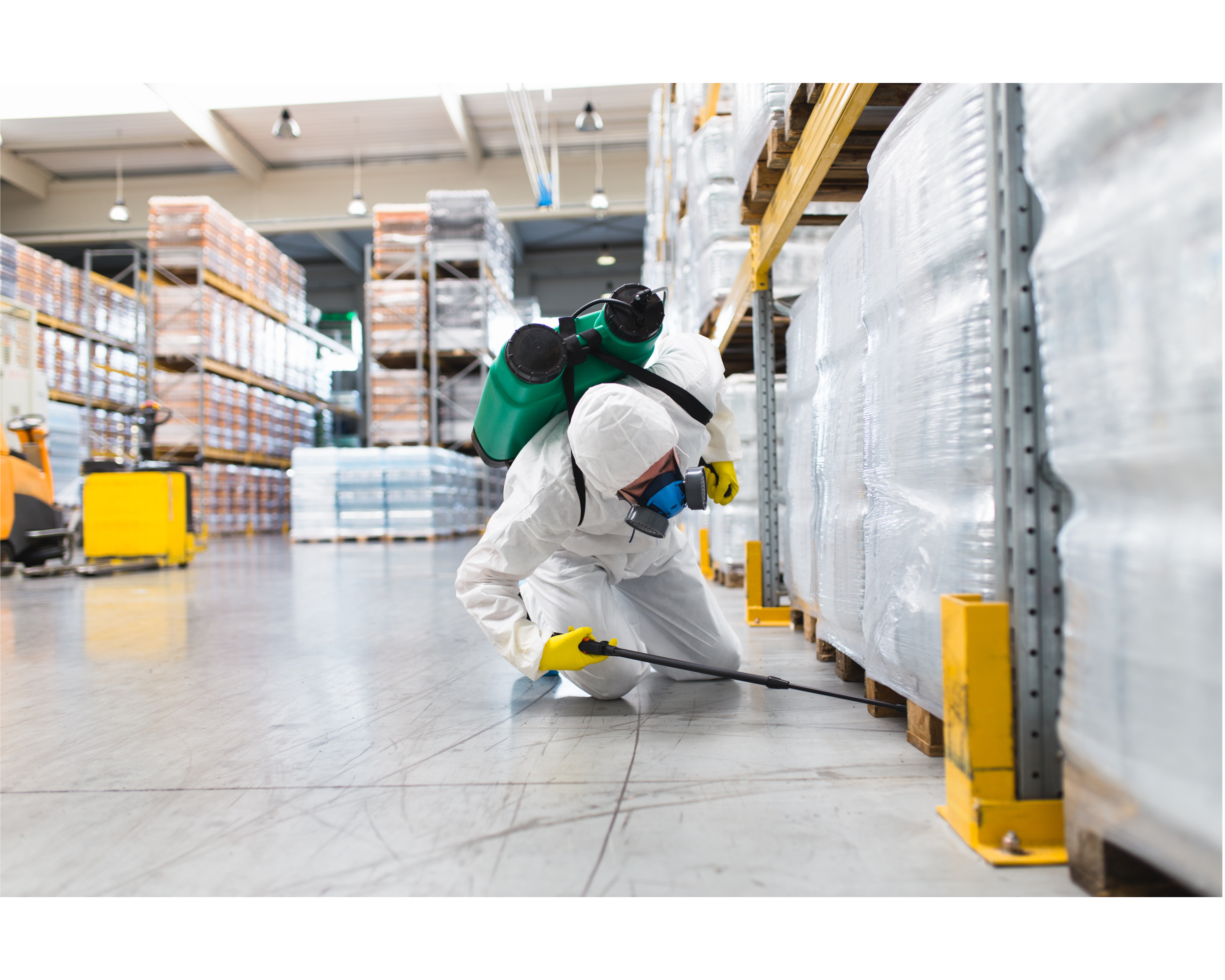
We strategically deploy baits and attractants in pest-prone zones (warehouses, production areas) and combine them with safe pesticide methods where needed—always following strict safety protocols.
4. Safe Pesticide Use & Non-Chemical Methods
When chemical intervention is required, we use only pharmaceutical-safe formulations, applied via sprays, dusts or bait systems per regulatory guidelines. We also use alternatives (e.g. fumigation, heat, fogging) depending on need.
5. Sanitation & Hygiene Controls
We will support internal best practices: sealed waste containment, regular surface cleaning, and proper staff training on hygiene to deny pest attractants.
6. Integrated Pest Management (IPM)
Our ecosystem-based approach combines all methods above, tailored to your facility. Ongoing adaptation, data insights, and preventive planning keep your site protected long term.
Our Strategy:
Prevention, Detection & Elimination
Comprehensive, Compliance-Driven Services:
Rodent Control (mice, rats).
Insect Management (cockroaches, flies, ants, etc.).
Fumigation, Heat Treatments.
Smart 24/7 Monitoring & Reporting Tools.
Audit-Ready Documentation & Trend Reports.
What you get with Pest Hub
Why Pharmaceutical Facilities Require Top-Tier Pest Control
Key topics of GDP pest control (Chapter 3) training
Preventative measures: The guidelines emphasise proactive prevention to protect products from insects, rodents, and other animals. This includes structural integrity to prevent entry points.
Preventive pest control programme: A formal programme should be in place, outlining how pest control is managed. This includes regular monitoring and inspections.
Maintenance and cleanliness: A fundamental principle is maintaining a clean environment, free from litter and dust, to discourage pests. Proper waste management is also essential.
Separation of areas: Designated areas for storage and other activities should be separated. Restrooms and refreshment rooms for employees must be kept away from product storage to reduce the risk of attracting pests.
Prohibition of food and drink: No food, drink, or smoking materials are allowed in storage areas, as they can attract pests.
Outsourcing pest control: The guidelines detail how to properly manage outsourced activities, including pest control. This requires assessing the suitability and competence of the pest control contractor to ensure they meet GDP standards.
Recording and documentation: All pest control activities, including inspections, findings, and remediation, must be meticulously documented. This is critical for audits.
Auditing compliance: Training would also cover how to audit against the GDP guidelines. For example, failing to have a documented preventive pest control programme would be noted as a non-conformance.
LEARN MORE


PEST CONTROL
© 2025 Pest Hub. All rights reserved.